Understanding Teenage Struggles: The Most Common Challenges Teenagers Face (And How Parents Can Help)
Parenting a teenager can feel like navigating unfamiliar territory. One moment your child seems happy and independent, and the next they may be withdrawn, angry, anxious, or unwilling to talk.
While adolescence is a normal stage of development, it can also be a time of significant emotional and psychological challenge. Understanding what your teenager may be experiencing can help you respond with greater confidence, compassion, and effectiveness.
Why the Teenage Years Can Feel So Difficult
Adolescence is a period of enormous change. Teenagers are not only experiencing physical and hormonal changes, but are also developing their identity, independence, relationships, and understanding of the world.
Their brains are still developing too. The emotional centres of the brain mature earlier than the parts responsible for planning, decision-making, and emotional regulation. This means that teenagers can experience emotions very intensely whilst still learning how to manage them.
Although every young person is different, there are some common struggles that many teenagers experience.
1. Anxiety and Worry
Anxiety is one of the most common mental health difficulties affecting teenagers today.
Teenagers may worry about:
- School performance and exams
- Friendships and social acceptance
- Their future
- Family relationships
- Appearance and body image
- Social media and online interactions
Signs of anxiety can include:
- Excessive worrying
- Difficulty sleeping
- Stomach aches or headaches
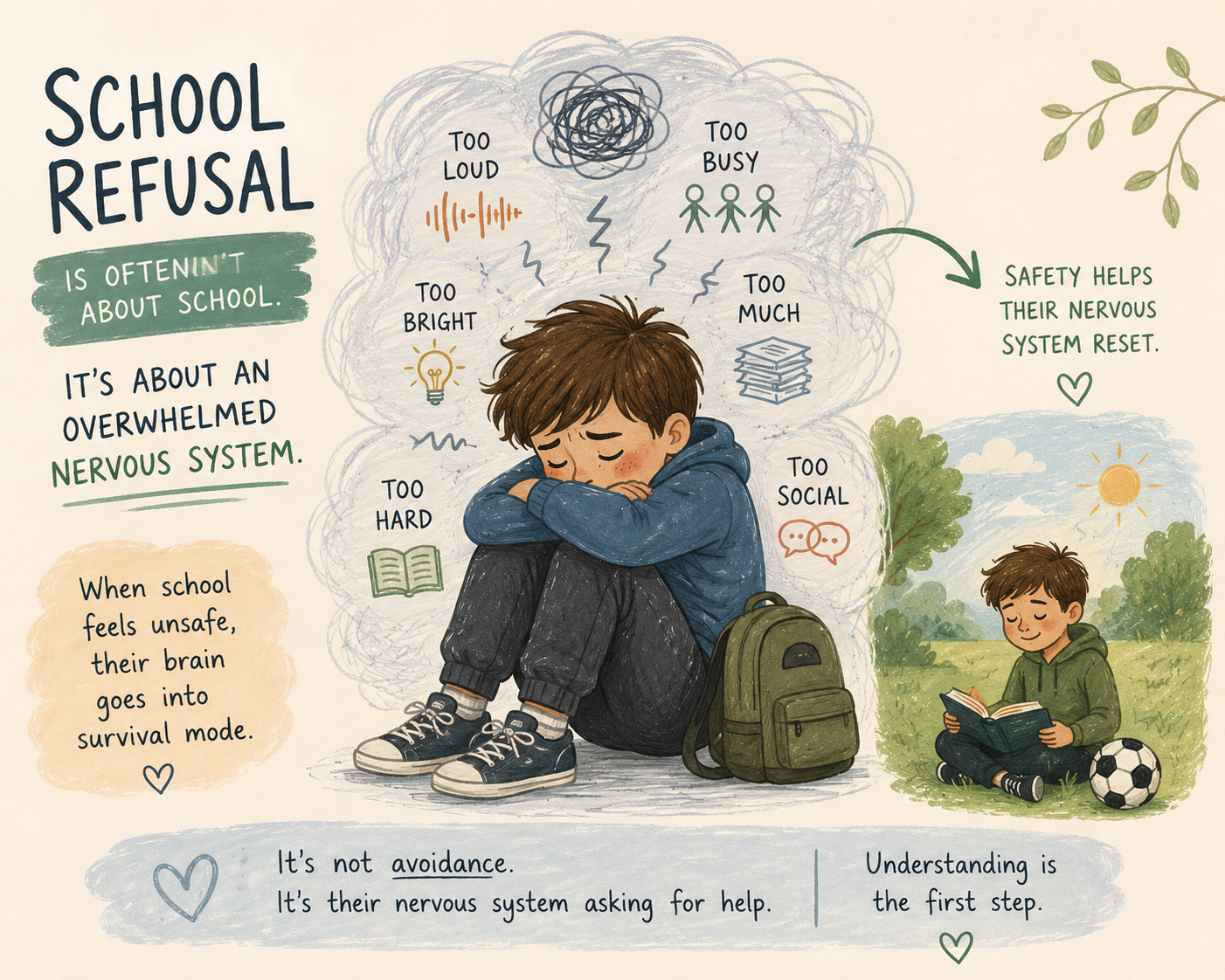
- Avoiding school or social situations
- Irritability
- Panic attacks
How Parents Can Help
Try to listen without immediately trying to solve the problem. Teenagers often need to feel understood before they are ready to hear advice.
Instead of saying:
“You’ll be fine.”
Try:
“That sounds really stressful. Tell me more about what’s worrying you.”
Validation can help reduce shame and create emotional safety.
2. Low Mood and Depression
It’s normal for teenagers to experience ups and downs, but persistent low mood may indicate something more significant.
Possible signs include:
- Loss of interest in activities they previously enjoyed
- Increased isolation
- Changes in sleep patterns
- Changes in appetite
- Lack of motivation
- Expressions of hopelessness or worthlessness
Teenagers don’t always present with sadness. Sometimes depression appears as irritability, anger, or emotional numbness.
How Parents Can Help
Stay connected, even if your teenager appears to push you away.
Many parents understandably back off when met with silence or hostility, but gentle and consistent connection often matters more than lengthy conversations.
Small moments count:
- Sitting together while watching TV
- Offering a lift somewhere
- Sharing a meal
- Sending a supportive text
3. Friendship Difficulties and Social Pressure
For teenagers, friendships often become central to their sense of identity and belonging.
Friendship difficulties can feel devastating and may involve:
- Friendship group changes
- Exclusion
- Bullying
- Online conflict
- Romantic relationships ending
Adults sometimes underestimate how painful these experiences can be.
How Parents Can Help
Resist the urge to dismiss friendship problems as “just teenage drama.”
Instead, acknowledge that social belonging is incredibly important during adolescence.
Try asking:
“What’s been the hardest part about that for you?”
This invites reflection without judgement.
4. Emotional Outbursts and Anger
Many parents worry when their teenager becomes argumentative, reactive, or quick to anger.
Often, anger is not the primary emotion. It can be a protective response to:
- Anxiety
- Shame
- Stress
- Feeling misunderstood
- Feeling out of control
How Parents Can Help
When emotions are running high, focus on regulation before discussion.
Trying to reason with a teenager in the middle of an emotional storm rarely works.
Instead:
- Stay calm where possible
- Reduce criticism
- Give space if needed
- Return to the conversation later
The goal is not to win the argument but to preserve the relationship.
5. Identity, Self-Esteem and Confidence
Adolescence is often a period of asking:
- Who am I?
- Where do I fit in?
- Am I good enough?
- Will people accept me?
Many teenagers struggle with confidence, self-worth, body image, gender identity, sexuality, or feeling different from their peers.
This can be especially true for neurodivergent young people, including those who are autistic or have ADHD.
How Parents Can Help
Focus on helping your teenager feel accepted rather than trying to change them.
Teenagers thrive when they feel:
- Seen
- Understood
- Accepted
- Valued for who they are
Curiosity tends to be more helpful than judgement.
When Should Parents Seek Professional Support?
Consider seeking support if your teenager’s difficulties are:
- Persisting for several weeks or months
- Affecting school attendance
- Affecting friendships or family relationships
- Causing significant distress
- Leading to self-harm or thoughts of suicide
Seeking support early can prevent difficulties from becoming more entrenched and can provide your teenager with a safe, confidential space to explore what they’re experiencing.
Final Thoughts
Teenagers don’t need perfect parents.
They need parents who are willing to stay connected, remain curious, and continue showing up even when things feel difficult.
Behind many challenging behaviours is a young person trying to navigate overwhelming emotions, social pressures, and a rapidly changing sense of self.
The relationship you build with your teenager during these years can become one of the strongest protective factors for their long-term emotional wellbeing.
If you’re concerned about your teenager’s mental health, counselling can provide a supportive space for both young people and families to better understand what’s happening and find ways forward together.
Stephanie Fortescue is a psychotherapist and counsellor based in Brighton & Hove, and Hassocks West Sussex, working with adolescents and adults experiencing anxiety, depression, neurodivergence, relationship difficulties and life transitions.